Постройка загородных коттеджей под ключ in 2024: what's changed and what works
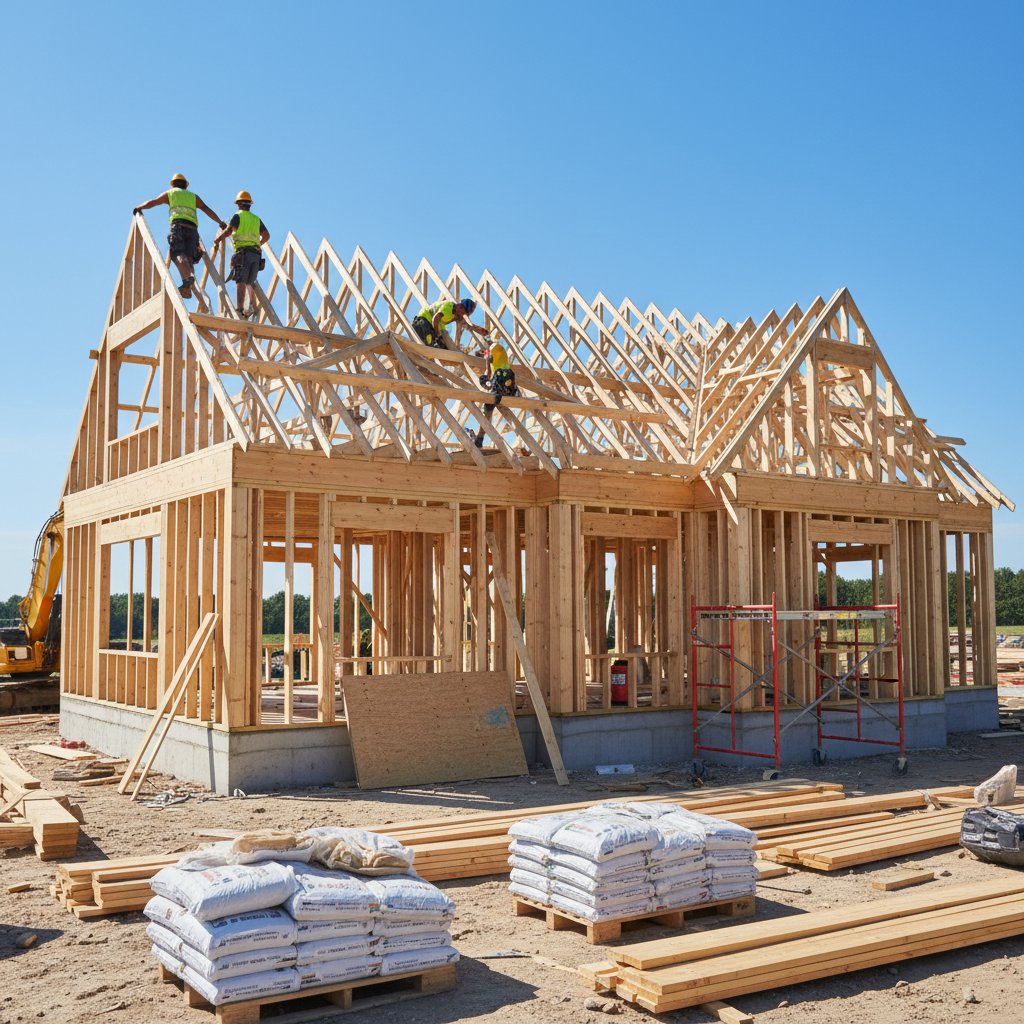
Building a turnkey cottage outside the city used to mean waiting 18 months, dealing with five different contractors, and praying the foundation wouldn't crack. Fast forward to 2024, and the game has completely changed. New materials, smarter workflows, and yes—even AI—have reshaped how custom homes get built from the ground up.
If you're planning to break ground this year, here's what actually matters now.
What's Actually Different in Turnkey Cottage Construction This Year
1. Modular Components Are No Longer the Budget Option
Prefabricated wall panels and roof trusses used to scream "cheap shortcut." Not anymore. Premium builders now use factory-made components that arrive with precision tolerances within 2mm. These aren't your grandfather's mobile home parts—they're engineered wood systems that go up in days instead of weeks.
The real advantage? Weather delays drop by roughly 40% when your walls show up ready to install. A cottage that would typically take 14 months now wraps in 9-10 months. You're still getting custom architecture and finishes, but the skeleton comes together like high-end IKEA furniture (if IKEA made structurally insulated panels rated for -40°C winters).
One builder in the Moscow region reported cutting on-site labor costs by 30% using hybrid modular methods. The savings went straight into better kitchen appliances and bathroom fixtures—things clients actually see every day.
2. Smart Home Integration Happens During Framing Now
Remember when "smart home" meant calling an electrician back after move-in to retrofit some wifi switches? That's ancient history. Turnkey projects now run Cat6 ethernet, low-voltage control wiring, and sensor loops during the rough-in phase.
This isn't about gadgets—it's about infrastructure. Heated floors get zone sensors. Windows get contact monitors. Even the septic system gets flow tracking. When everything's wired from day one, you can add automation gradually instead of ripping open walls later.
Builders who skip this step are leaving money on the table. Clients are specifically asking for conduit runs to future EV charger locations and network drops in every room. The cost difference? Maybe 3-5% of electrical budget upfront, but it triples the home's tech ceiling.
3. Energy Models Beat Guesswork on Insulation
Slapping R-40 insulation everywhere isn't a strategy—it's expensive paranoia. Smart builders now run thermal modeling software before ordering materials. These programs map exactly where heat escapes based on your specific floor plan, window placement, and local climate data.
The results can be counterintuitive. Sometimes you need R-60 in the attic but only R-30 in certain walls. Sometimes adding a third pane to south-facing windows costs more than it saves over 20 years. The software does math that would take humans days to calculate.
One project outside St. Petersburg cut heating costs by 35% compared to code minimum—not by using more insulation, but by using it strategically. They invested the savings in a heat recovery ventilator that actually improved indoor air quality.
4. Timeline Transparency Became Non-Negotiable
Vague promises about "late summer completion" don't fly anymore. Clients expect shared project management dashboards with real-time updates. When the plumber's running three days behind, everyone sees it immediately—along with how it affects the tile installer's schedule.
This level of visibility sounds stressful for builders, but it actually reduces conflicts. When delays are documented and explained as they happen, clients don't feel blindsided. They see that the custom window order took an extra week, and they understand why the painter can't start yet.
The best systems send automatic photos from the site every afternoon. You don't need to drive out to check if the roof trusses went up—you get a notification with images at 5 PM.
5. Material Sourcing Got Weird (In a Good Way)
Supply chains are still recovering from recent chaos, so experienced builders now maintain relationships with 3-4 suppliers for critical materials. They're not loyal to one lumber yard anymore—they're pragmatic.
This also means more European materials showing up on Russian sites. Finnish windows, German heat pumps, and Baltic timber are competing directly with domestic options. The price gap narrowed to maybe 15-20% on many items, and the quality difference is significant enough that clients often choose imports for key components.
Smart builders present options with real numbers. "Domestic windows cost 180,000 rubles for the main floor; Swedish equivalents run 215,000 but carry a 15-year seal warranty versus 5 years." No judgment, just data.
6. The "Under Key" Part Actually Means Something Now
True turnkey used to be rare. You'd move in and realize the landscaping wasn't included, or the driveway was gravel instead of paved, or the deck was somehow "phase two." Not anymore—or at least, not with reputable builders.
Detailed specifications now run 30-40 pages. Every fixture, finish, and outdoor element gets listed with model numbers and allowances. If it's not in the spec, it's not in the price. This clarity prevents the ugly surprises that used to torpedo budgets in month ten.
The best contracts even include the first winter's firewood and a professional cleaning before handover. These tiny touches cost almost nothing but signal that the builder actually thought about move-in day.
The Bottom Line
Building a custom cottage in 2024 costs roughly the same as it did two years ago—somewhere between 85,000 and 140,000 rubles per square meter depending on finishes and location. What changed is how much house you get for that money and how smoothly the process runs.
The builders who adapted to modular components, transparent scheduling, and integrated technology are delivering better homes faster. The ones still operating like it's 2019 are losing clients to competitors who actually answer texts and send progress photos.
Your cottage should outlive you. Make sure the people building it are using this decade's methods, not last decade's habits.